Supporting Friends: Small Things Can Make a Big Difference
Discover four simple ways to support the people around you. You don't need to have all the answers or fix someone's problems. Sometimes, simply being there, listening and helping someone take one small step can make all the difference.
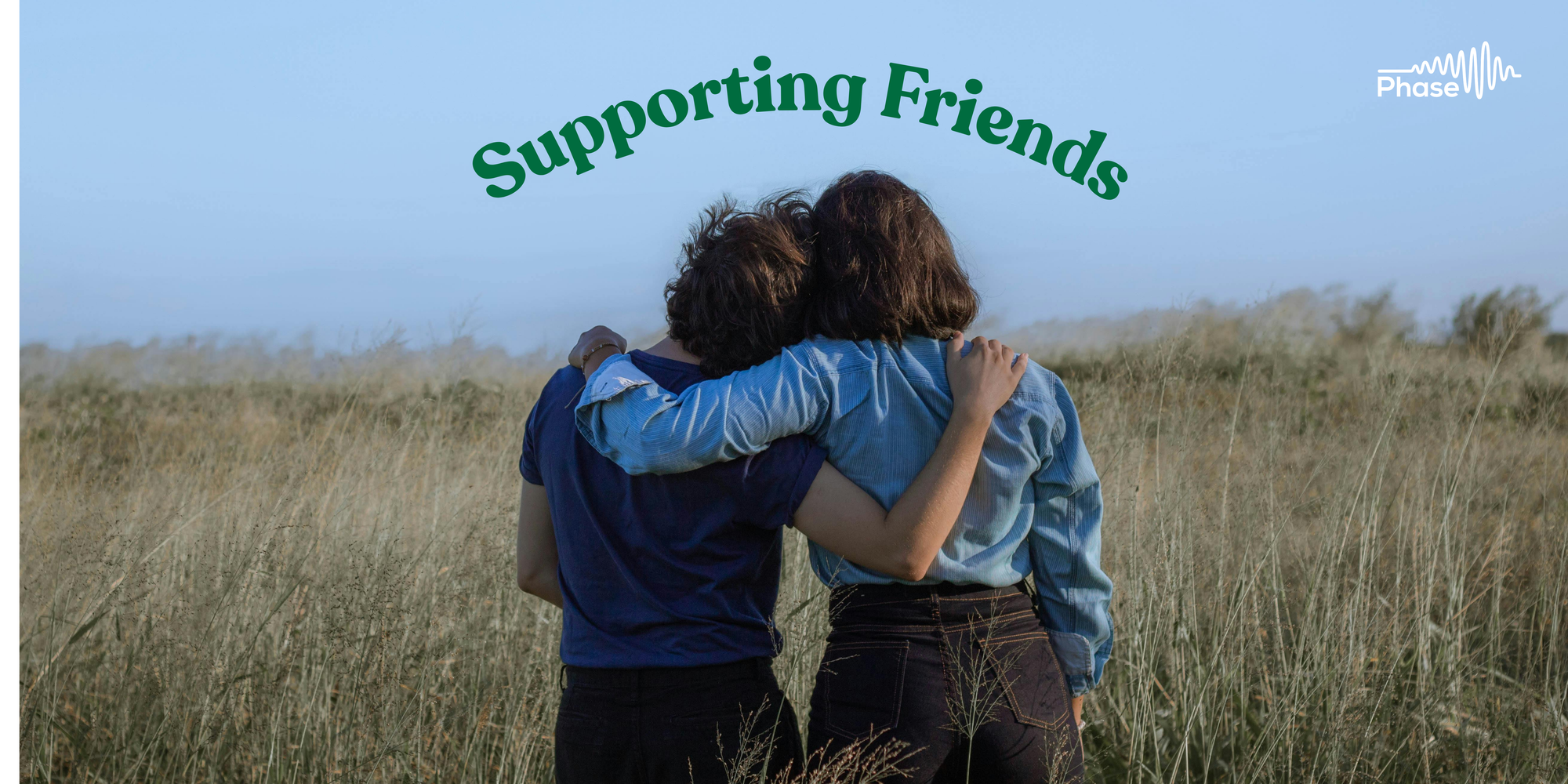
We've all been on both sides of needing support and offering it to others. Whether it's a friend, family member or someone around us, there will be times when people need a little extra help. But how do we know what to say or do?
The good news is that supporting someone doesn't mean having all the answers or fixing things for them. Often, it's about being there, showing that you care and helping them work things out for themselves.
A simple way to remember how we can support others is ALEC: Ask, Listen, Encourage Action and Check In.
A – Ask
We've probably all answered "I'm fine" when that hasn't really been the case. There's a saying that FINE stands for "Feelings Inside Not Expressed", which is a good reminder that we shouldn't always take someone's first answer at face value.
If someone seems a little different or quieter than usual, find a good moment to ask how they're really doing. Sometimes a conversation is easier side by side, perhaps while going for a walk or doing something together, rather than sitting face to face. Taking notice and showing genuine interest can make all the difference.
L – Listen
Sometimes we just need a bit of space to be heard, whether we're dealing with something big or something that might seem quite small. Listening sounds simple, but really giving someone your attention takes practice. Put distractions away, try not to interrupt and give them time to talk. You don't need to have the perfect response or offer advice straight away. Sometimes just being listened to is exactly what someone needs.
E – Encourage Action
Getting support or making changes to improve our wellbeing can feel difficult when we're struggling. Rather than trying to solve everything, think about one small step that might help.
This could be speaking to a tutor or someone at home, offering to go with them to talk to someone, finding time for a walk and a chat, or helping them find the right support. Sometimes even writing things down can help when there is a lot going on in our heads.
Think about a toddler learning to walk. We can be there to encourage them, support them when they wobble and help them along the way, but we can't do the walking for them. Supporting someone is much the same. We can walk alongside them, but the steps are theirs to take.
C – Check In
Supporting someone isn't just about one conversation. Think about how it feels when someone remembers something you've told them and takes the time to ask how things are going. It shows that they listened, that they care and that they haven't forgotten.
A quick message, a follow-up conversation or simply asking "How did that go?" can mean a lot.
Remember, you don't have to fix everything
We'll all need support at different points in our lives, and we'll all have opportunities to offer it too. It's important to remember that being a good friend doesn't mean carrying someone's problems on your own. Sometimes the best thing you can do is help them find someone else they can talk to, such as a trusted adult or professional. And if you're the one who needs support, it's okay to reach out too.
We've also included two resources that you might find helpful: the Panic Attack Support Sheet and the Mates and Mental Health Sheet. Whether you're looking for advice for yourself or hoping to support someone else, they offer a useful starting point and a reminder that there's support available when you need it.
You don't need the perfect words or all the answers. Sometimes the smallest gestures can make the biggest difference.
Ask. Listen. Encourage Action. Check In.
Never miss a Phase blog post - subscribe here