The Risk of Not Taking Risks
Reflecting on a recent Year 8 trip to PGL, I explore why taking manageable risks, embracing challenges and stepping outside our comfort zones are essential to helping young people grow in confidence and prepare for life's uncertainties.
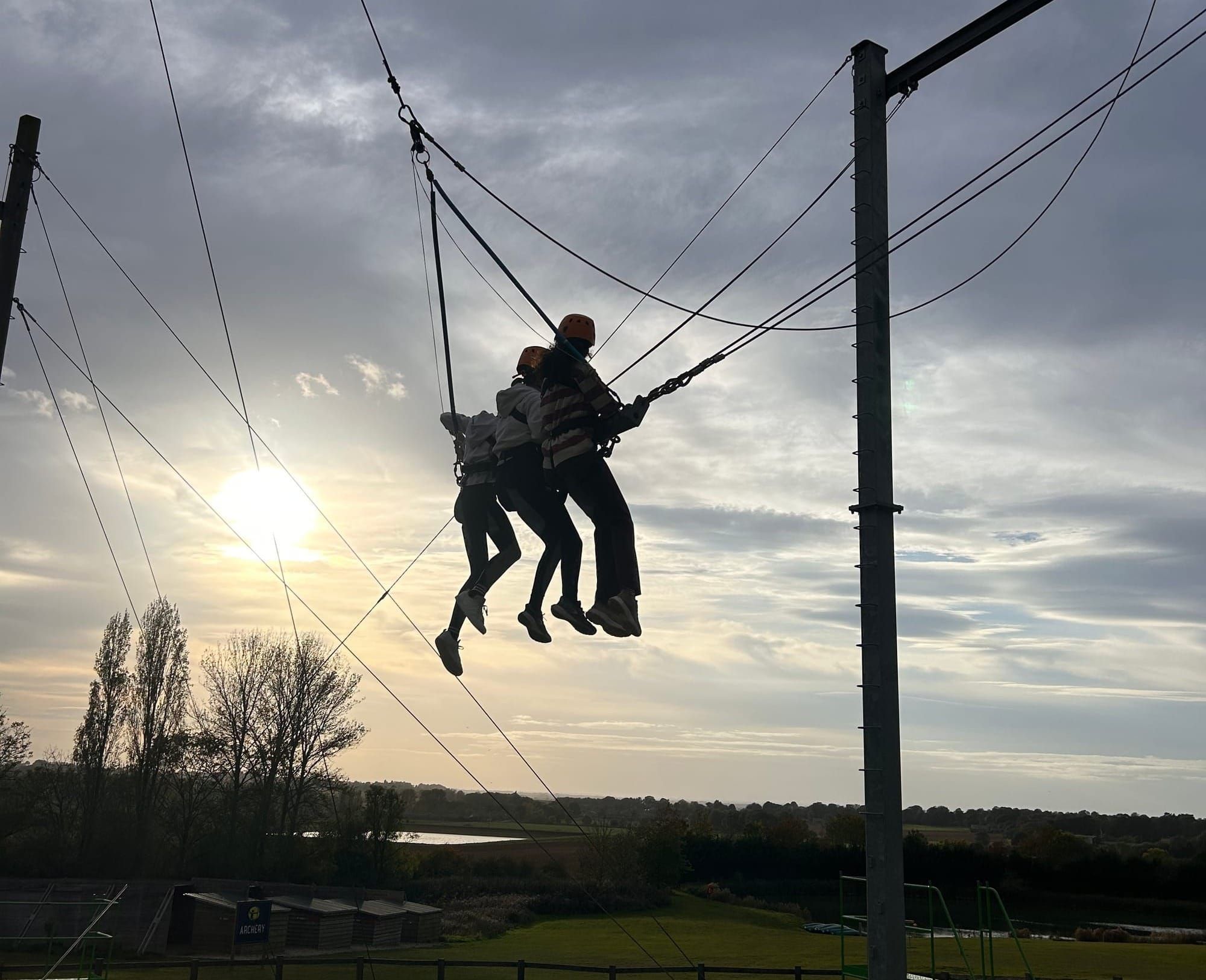
A couple of weeks ago, I had the pleasure of joining our Year 8 students on a school trip to PGL, an outdoor adventure centre offering activities designed to challenge, inspire and bring young people together. From climbing and archery to trapeze jumps and campfires, it was packed with adventure, laughter and memories.
One of the things I love about school trips is seeing young people in situations where the usual rules of the classroom don't quite apply. A student who rarely speaks up might take the lead; someone who appears confident might hesitate; and someone who starts the day convinced they can't do something might surprise themselves.
Watching young people tackle new challenges got me thinking about something bigger than the activities themselves: what role does risk play in growing up, and are we giving young people enough opportunities to experience it?
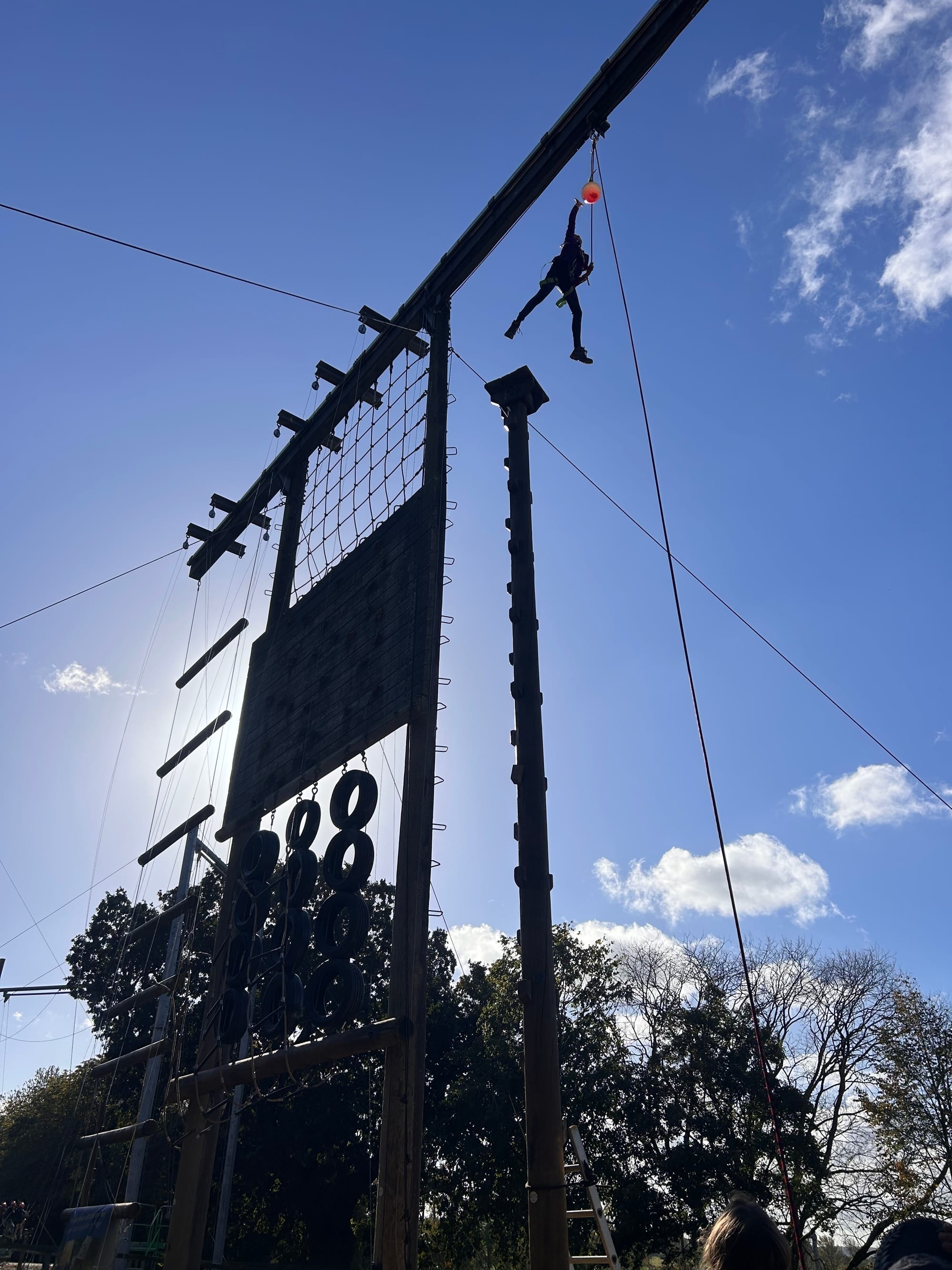
Now, before anyone gets the wrong idea, I'm certainly not suggesting we abandon risk assessments and send young people climbing walls without a harness! Safety matters enormously, and careful planning, appropriate supervision and sensible precautions are essential. But there's a difference between managing risk and trying to eliminate it altogether. Young people need opportunities to experience manageable challenges, rather than being protected from every possible discomfort or difficulty.
So, what do young people learn when they're given these opportunities? Often, it's far more than how to abseil or build a raft. They learn to manage uncertainty, make decisions and work through problems. They discover that confidence doesn't always come before an experience; sometimes, it grows because of it. They begin to trust their own judgement, recognise their capabilities and understand that getting something wrong can be part of learning.
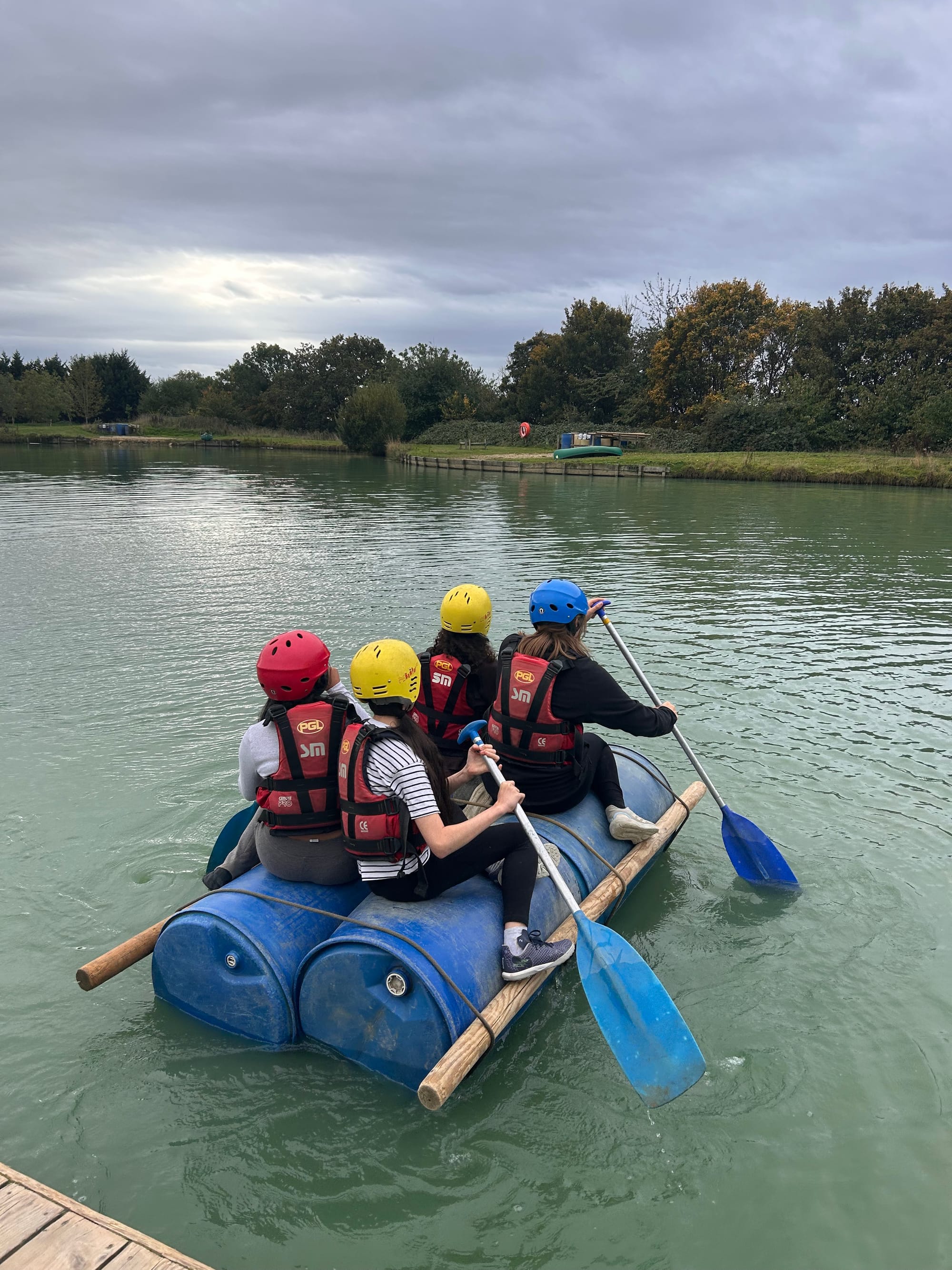
If we always step in before a young person has the chance to work something out, or remove every situation that makes them nervous, we risk taking away valuable opportunities to develop these skills. Our role isn't to remove every obstacle, but to help young people recognise which challenges are worth taking on, provide appropriate support and give them the space to discover what they're capable of.
Two important skills in this process are critical thinking and emotional regulation. We can help young people develop these by asking questions rather than immediately providing answers: What do you think might happen? What other options could you try? What's making you feel nervous? These conversations encourage them to pause, consider their options and make thoughtful decisions. They also help young people recognise that feeling scared doesn't automatically mean they're unsafe, just as feeling nervous doesn't mean they're incapable. The aim isn't to ignore fear, but to understand it and respond appropriately.
Our responsibility to keep young people safe will always come first. But we also have a responsibility to help them prepare for a world that won't always feel safe, comfortable or predictable all the time. With the right support and safeguards, manageable risks give young people the chance to practise the skills they'll need throughout life.
What could we do differently to help young people feel more confident navigating uncertainty?
Never miss a Phase blog post - subscribe here